



Nasal Valve Collapse
Restore Airflow From Nasal Valve Collapse

Open Your Airways and Breathe Freely
Breathing should feel effortless, but when your nasal valve weakens and collapses, every breath becomes a struggle. Nasal valve collapse transforms simple activities like exercising, sleeping or even walking up stairs into exhausting challenges. You might find yourself constantly breathing through your mouth, dealing with persistent fatigue or avoiding physical activities you once enjoyed. What many don't realize is that this frustrating condition has effective solutions that can restore comfortable, natural breathing.
At Daniel J. Leeman, MD, we specialize in diagnosing and treating nasal valve collapse with the latest minimally invasive techniques. Our Austin ENT practice combines advanced diagnostic technology with personalized treatment plans to address the root cause of your breathing difficulties. Whether you're dealing with mild collapse during exercise or severe obstruction affecting your daily life, our experienced team can help you breathe freely again.
What Is Nasal Valve Collapse?
Nasal valve collapse occurs when the narrowest part of your nasal airway (the nasal valve) loses its structural support and caves inward during breathing. Located just inside your nostril where the soft tissue meets the firmer nasal cartilage, this valve normally stays open to allow smooth airflow. When weakened cartilage or tissue can't maintain the valve's shape against the negative pressure created during inhalation, the walls collapse inward like a straw being pinched.
The nasal valve consists of two components: the internal valve formed by the upper lateral cartilage and septum, and the external valve created by the nostril rim and surrounding tissues. Either or both valves can collapse, creating different patterns of obstruction. This collapse may be dynamic, occurring only during deep breathing or exercise, or static, causing constant narrowing even at rest. Understanding which type you have helps determine the most effective treatment approach.

Common Causes of Nasal Valve Collapse
Nasal valve collapse develops through various pathways, each requiring different treatment considerations. Recognizing these causes helps explain why standard nasal sprays often fail to provide relief.
Age-Related Changes
Previous Nasal Surgery
Trauma and Injury
Congenital Factors
Symptoms of Nasal Valve Collapse
Nasal valve collapse creates a distinctive pattern of symptoms that worsen with increased airflow demands. Understanding these symptoms helps differentiate valve collapse from other nasal conditions.
The hallmark symptom is difficulty breathing through your nose that worsens with deep inhalation. You might notice your nostrils visibly collapsing inward when breathing deeply or during exercise. This creates a sensation of breathing through a pinched straw, forcing you to breathe through your mouth for adequate air intake. Many patients unconsciously develop a habit of pulling their cheek sideways to open the nostril — a telltale sign known as the Cottle maneuver.
Sleep quality often suffers significantly. The increased effort required for nasal breathing leads to frequent position changes, mouth breathing and disrupted sleep patterns. Partners may report increased snoring or gasping sounds. Morning headaches, dry mouth and daytime fatigue commonly result from poor nighttime breathing. Some patients prop multiple pillows to breathe easier, while others abandon nasal breathing entirely at night.
It's time to see an ENT specialist like Dr. Leeman when
- Difficulty breathing worsens with exercise or deep breaths
- Nostrils visibly collapse during inhalation
- Nasal strips provide temporary relief
- You instinctively pull your cheek to breathe better
- Sleep quality deteriorates despite trying different positions
Nasal Valve Collapse Treatment Options
Dr. Leeman offers a comprehensive range of treatments for nasal valve collapse, from quick in-office procedures to surgical solutions. He will customize your treatment plan based on the severity of your collapse, anatomical considerations and personal goals.
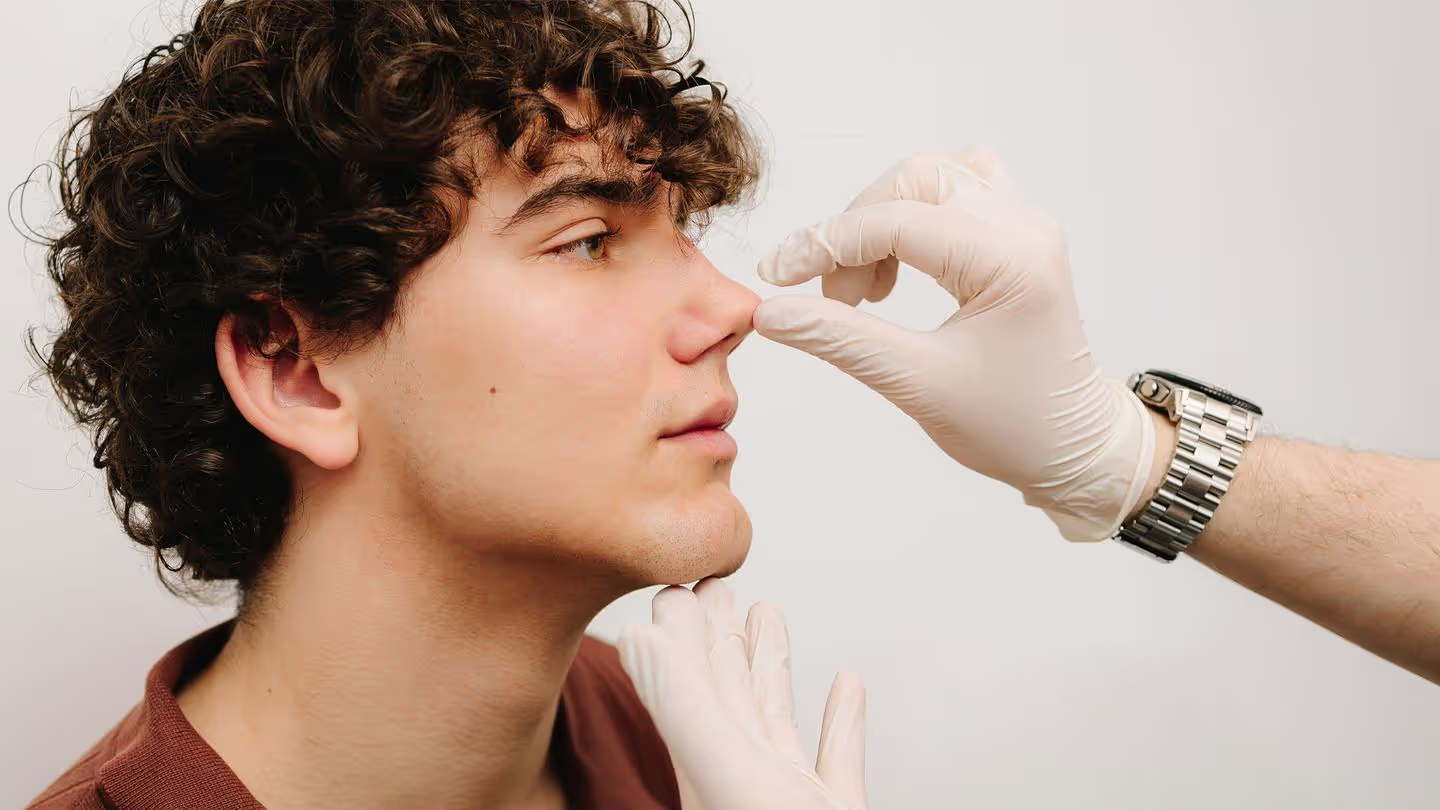
LATERA® Absorbable Nasal Implant
LATERA offers a minimally invasive way to restore open nasal valves. This innovative implant consists of a thin, absorbable polymer that Dr. Leeman places inside the nasal wall to support the collapsing valve. The procedure takes just 15 to 20 minutes in the office with local anesthesia, and most patients return to normal activities the next day.
The LATERA implant provides immediate structural support while your body gradually builds stronger tissue around it. Over approximately 18 months, the implant absorbs completely, leaving behind reinforced tissue that maintains valve patency. Clinical studies demonstrate an 86% patient satisfaction rate, with improvements in both nasal breathing and sleep quality. The minimally invasive nature means no external scarring or changes to your nasal appearance.

Radiofrequency Remodeling
Radiofrequency technology offers another minimally invasive option for strengthening the nasal valve area. Dr. Leeman uses controlled radiofrequency energy to heat deeper tissue layers, stimulating collagen production and tissue tightening. This treatment can strengthen weakened valve structures without removing tissue or altering your nasal shape.
The procedure involves inserting a specialized probe to deliver precise radiofrequency energy to the targeted areas. Treatment typically takes 15 to 30 minutes and involves minimal discomfort. Over the following weeks, new collagen formation progressively strengthens the valve area. Multiple sessions may optimize results for severe collapses. This option works particularly well for patients with mild to moderate dynamic collapse.
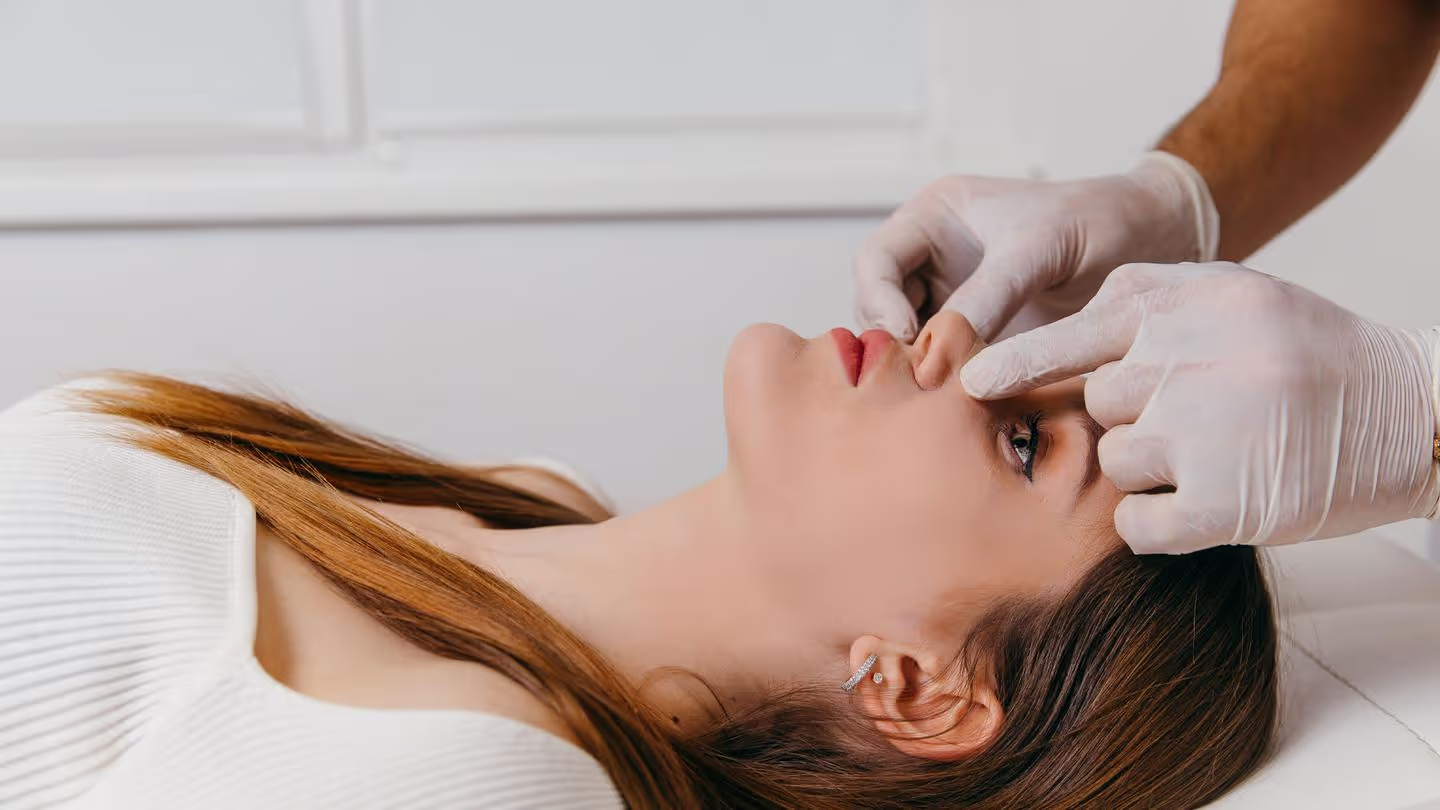
Laser Nasal Valve Repair
Dr. Leeman employs the advanced Valent laser 940nm system for another minimally invasive approach to nasal valve repair. This precise laser technology strengthens and stabilizes the nasal valve area by promoting controlled tissue remodeling. The laser energy stimulates natural healing processes that reinforce the valve structure.
During the brief in-office procedure, Dr. Leeman uses the laser to target specific areas of weakness in the nasal valve. The treatment typically takes 20 to 30 minutes and causes minimal discomfort. Patients often appreciate the precision of laser treatment and the ability to return to normal activities almost immediately. The strengthening effects develop gradually over several weeks as tissues respond to the laser stimulation.

Spreader Grafts
For severe or complex nasal valve collapse, spreader grafts provide robust, permanent support. These small cartilage grafts, harvested from your septum or ear, are precisely placed between the septum and upper lateral cartilages to widen and strengthen the internal valve. Dr. Leeman's expertise in facial plastic surgery allows precise graft placement for optimal breathing improvement.
Spreader graft placement requires more extensive surgery than implants or radiofrequency treatment and is typically performed under general anesthesia. However, the permanent structural support they provide makes them ideal for severe collapses or revision cases. The grafts integrate with existing structures, creating lasting valve support that won't weaken over time. Recovery involves about one week with nasal splints, with final results developing over several months.
What to Expect After Treatment
Your recovery experience varies significantly based on the chosen treatment approach, but all options aim to restore comfortable nasal breathing with minimal disruption to your life.
Recovery
Minimally invasive treatments offer remarkably quick recovery times. LATERA implant patients typically return to work the next day, experiencing only mild swelling or tenderness that resolves within days. Radiofrequency and laser treatments involve even less downtime, with most patients experiencing slight nasal congestion for just 24 to 48 hours. You can resume normal activities almost immediately, though vigorous exercise should wait a few days.
Spreader graft surgery requires more extensive recovery. You'll have internal splints for one week and should plan for time off work during this period. Activity restrictions continue for two to three weeks to allow proper healing. While the recovery is more involved, many patients find the permanent solution worth the additional healing time.
Results
The timeline for breathing improvement depends on your treatment choice. LATERA provides immediate structural support, with patients often noticing easier breathing as soon as the mild swelling subsides within a few days. Both radiofrequency and laser treatments work by stimulating your body's natural healing response, so results develop gradually over four to eight weeks as collagen remodeling strengthens the valve area.
Spreader grafts offer immediate structural correction, though swelling initially masks the full benefit. As healing progresses over two to three months, breathing continues to improve until the final result is reached. The permanent nature of grafts means your improvement should last indefinitely with proper care.
Follow-Up Care
Dr. Leeman tailors follow-up care to your specific treatment. Minimally invasive procedures require less monitoring. LATERA patients typically need just one or two follow-ups to confirm proper healing, while radiofrequency and laser patients may benefit from assessment for potential additional sessions to optimize results.
Spreader graft patients receive closer monitoring throughout their recovery. Dr. Leeman removes splints at one week and schedules periodic checks over several months to track healing progress. Regardless of your treatment choice, our team remains available to address any concerns and help you achieve the best possible breathing improvement.
FAQs About Nasal Valve Collapse
We've got answers!
How Do I Know if I Have Nasal Valve Collapse vs. Other Nasal Issues?
Will Insurance Cover My Nasal Valve Treatment?
Can Nasal Valve Collapse Come Back After Treatment?
Still Have Questions?
Feel free to give us a ring, we will gladly answer further questions.
Breathe Without Limits
Nasal valve collapse doesn't have to dictate how you live your life. Whether you've been struggling with breathing difficulties for years or recently noticed your nostrils collapsing during exercise, effective solutions exist. Dr. Leeman's comprehensive approach combines accurate diagnosis with a range of treatment options, from quick in-office procedures to permanent surgical correction, tailored to your personal needs and lifestyle.
Effortless breathing begins with understanding your options. During your consultation, Dr. Leeman will evaluate your nasal valve function, discuss your breathing goals and recommend the most appropriate treatment approach. Our team takes pride in helping patients rediscover activities they've been avoiding and sleep they've been missing.
Book your consultation today!
Stop letting nasal valve collapse hold you back. Contact Daniel J. Leeman, MD, today at 512-706-9223 or schedule your appointment online. With three convenient Austin-area locations and a team dedicated to your breathing comfort, relief is closer than you think.

Stay Connected